
Beyond the Physical: Honoring Endo Warriors and the Mental Health Connection
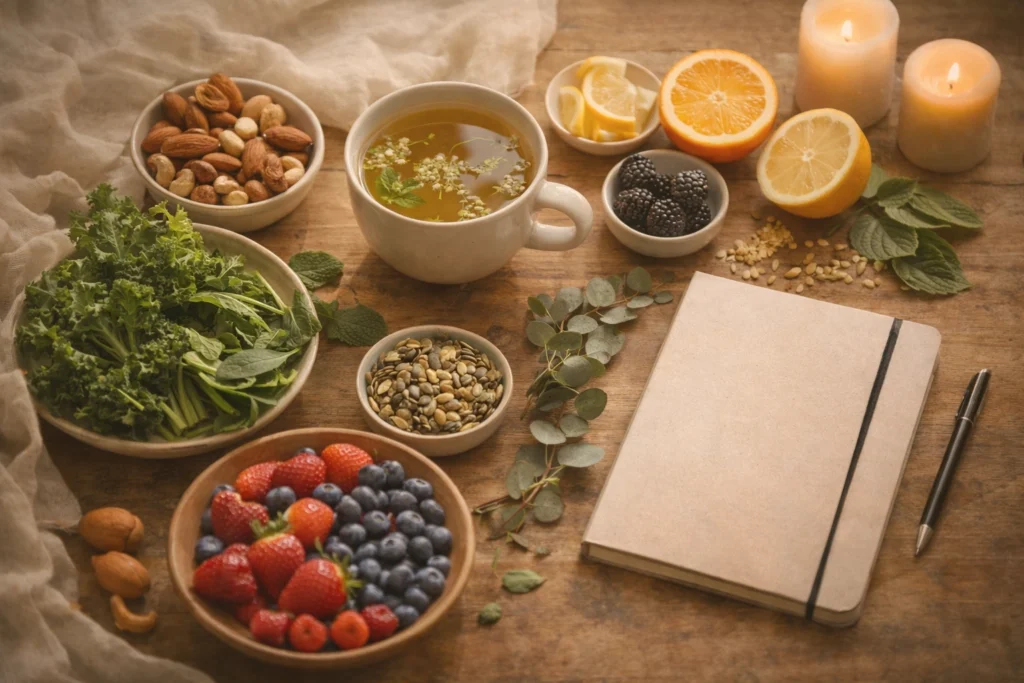
March marks a significant time for our community at Alira Behavioral Health. It is Women’s History Month, a time to celebrate the resilience and contributions of women everywhere. Simultaneously, it is Endometriosis Awareness Month. For those living with endometriosis, our “Endo Warriors”, this month is about more than just awareness; it is about validation.
Endometriosis is frequently discussed in terms of physical symptoms: chronic pelvic pain, heavy cycles, and fertility challenges. However, at Alira Behavioral Health, we recognize that the impact stretches far beyond the physical body. There is an “invisible struggle” happening within the mind and spirit of every warrior. This post is dedicated to honoring your strength and providing holistic resources to help you navigate the complex intersection of endometriosis and mental health.
The Invisible Struggle: How Endometriosis Impacts the Mind
It is a common misconception that the mental health challenges associated with endometriosis are simply a “reaction” to being in pain. While chronic pain is a major factor, research shows that the connection is deeply biological. More than two-thirds of individuals with endometriosis experience significant psychological stress, and this is rooted in the way the disease interacts with the nervous system.
The Biological Connection
The inflammatory signals produced by endometrial tissue do not stay localized in the pelvis. These molecules send messages to the brain that can actually alter brain gene expression and electrophysiology. This means the disease itself triggers neurobiological changes that contribute directly to anxiety and depression. Furthermore, the hormonal fluctuations, specifically high levels of estrogen, associated with endometriosis can lead to intense mood swings, irritability, and frustration.
The Vicious Cycle of Pain and Mental Health
Chronic pain and mental health often exist in a feedback loop. Persistent pain decreases your quality of life, which triggers anxiety or depression. In turn, high levels of stress and anxiety can amplify the perception of physical pain, making the symptoms of endometriosis feel even more severe. Breaking this cycle requires an integrated approach that treats both the body and the mind simultaneously.

Validating the Warrior’s Experience
One of the most taxing aspects of endometriosis is the history of healthcare dismissal. Many warriors spend years being told their pain is “normal” or “just a bad period.” This medical gaslighting creates a layer of psychological trauma, leading to feelings of isolation and a loss of trust in one’s own body.
At Alira Behavioral Health, we see you. We know that canceling plans, missing work, and navigating the uncertainty of “flare-up” days takes an immense emotional toll. Honoring your journey means acknowledging that your pain is real and that your mental health deserves as much attention as your physical symptoms.
If you are struggling with the emotional weight of this condition, please know that professional support is available. You can learn more about our specialized approach to Women’s Mental Health Care in Georgia, New York and Massachusetts.
Holistic Dietary Resources for Endo Warriors
While diet is not a cure for endometriosis, nutrition plays a pivotal role in managing inflammation and balancing the hormones that affect your mood. A “pro-mental health” endo diet focuses on stabilizing blood sugar and reducing the body’s inflammatory load.
1. Focus on Anti-Inflammatory Fats
Omega-3 fatty acids are essential for reducing the production of prostaglandins, the chemicals that signal pain and inflammation.
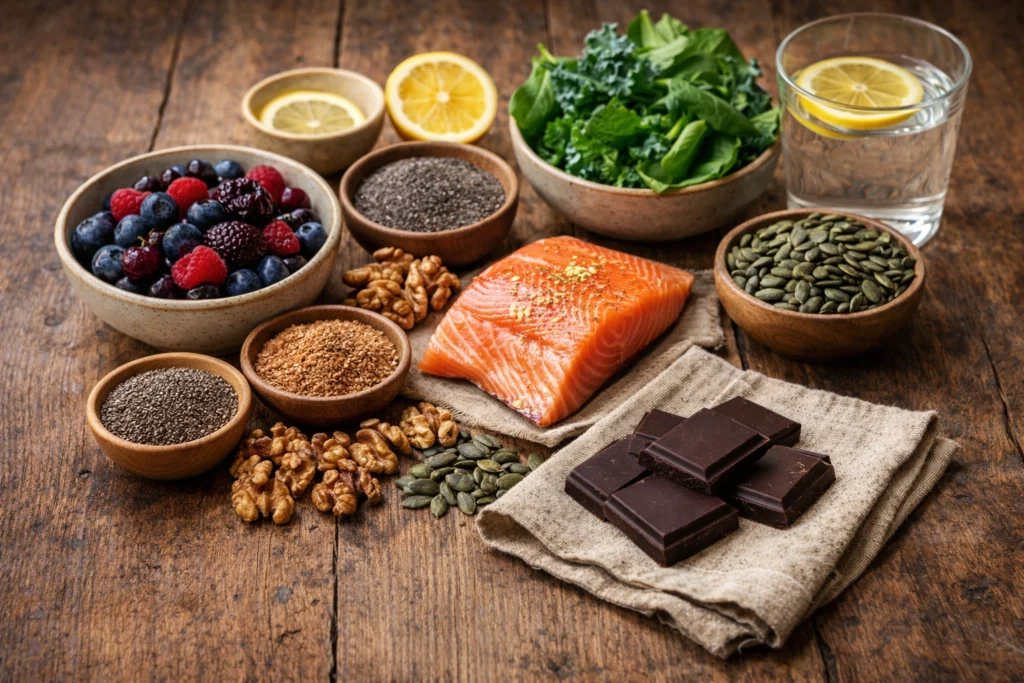
- Action: Incorporate chia seeds, flaxseeds, walnuts, and fatty fish (like salmon) into your weekly meals.
2. Prioritize Fiber for Estrogen Balance
The liver processes excess estrogen, and the gut eliminates it. If digestion is sluggish, estrogen can be reabsorbed into the bloodstream, worsening endo symptoms and mood swings.
- Action: Aim for 25–30 grams of fiber daily through legumes, raspberries, and leafy greens.
3. Support Your Magnesium Levels
Magnesium is known as “nature’s relaxant.” It helps soothe muscle cramps and supports the nervous system during times of high anxiety.
- Action: Include dark chocolate (85% cocoa or higher), pumpkin seeds, and spinach in your diet.
4. Limit Triggers
For many warriors, certain foods can trigger an “endo belly” or increase systemic inflammation.
- Action: Consider reducing intake of highly processed sugars, caffeine, and alcohol, especially during the luteal phase of your cycle when mood sensitivity is highest.
Lifestyle Shifts for Emotional Balance
Managing a chronic condition requires a lifestyle that honors your energy levels rather than fighting against them. Here are several strategies to help maintain emotional equilibrium.
Gentle Movement over High Intensity
During a flare or the days leading up to your period, high-intensity workouts can spike cortisol levels and increase inflammation.
- Strategy: Pivot to restorative yoga, pelvic floor stretching, or gentle walking. Movement should feel like a gift to your body, not a punishment.
The Power of Sleep Hygiene
Sleep deprivation exacerbates pain sensitivity and lowers your emotional resilience. Endometriosis-related insomnia (often called “painsomnia”) is a significant hurdle.
- Strategy: Establish a “digital sunset” one hour before bed. Use heat therapy (like a warm compress) to soothe pelvic tension before lying down to improve your chances of restorative sleep.
Nervous System Regulation
Since endometriosis keeps the body in a state of high alert, active relaxation is necessary to tell your brain you are safe.
- Strategy: Practice “box breathing” or somatic tracking. These techniques help lower the heart rate and can reduce the perceived intensity of a pain flare.

Finding Your Community and Support
You do not have to carry the weight of endometriosis alone. Building a support network is one of the most effective ways to combat the isolation of chronic illness. Whether it is through a support group, a dedicated therapist, or a circle of friends who “get it,” connection is a form of medicine.
If you are looking for a clinical team that understands the intersection of chronic illness and behavioral health, we invite you to Meet the Team at Alira Behavioral Health. Our providers are trained to help you navigate the trauma of diagnosis, the anxiety of surgery, and the daily mental health maintenance required for endo warriors.
For additional tools and reading, please visit our Resources page.
Urgent Support and Crisis Resources
Please note that chronic pain and long-term illness can significantly impact mental health. If you experience thoughts of self-harm or feel you are in a mental health crisis, please prioritize your safety and reach out for immediate help.
If you are in immediate danger or experiencing a medical emergency, please call 911 or go to the nearest emergency room.
For 24/7 confidential support, please utilize the following resources:
- 988 Suicide & Crisis Lifeline: Call or text 988 (Available in English and Spanish)
- Crisis Text Line: Text HOME to 741741
- National Domestic Violence Hotline: Call 1-800-799-SAFE (7233) or text START to 88788
- SAMHSA’s National Helpline: Call 1-800-662-HELP (4357)
If you are interested in beginning your journey toward holistic mental health support with Alira Behavioral Health, please Contact us today. We are here to walk with you.
Please note: The information provided in this blog is for educational purposes and does not constitute medical advice. Always consult with your healthcare provider or a qualified mental health professional regarding your specific condition and treatment plan.
© 2026 Alira Behavioral Health. All rights reserved.